
In the world of mobile app development, the user experience (UX) and user interface (UI) are paramount. From sleek designs to intuitive interactions, mastering these best practices can make or break an app’s success. Let’s delve into the core principles and examples that showcase excellence in mobile app UX/UI design.
Mobile App Development UX/UI Best Practices
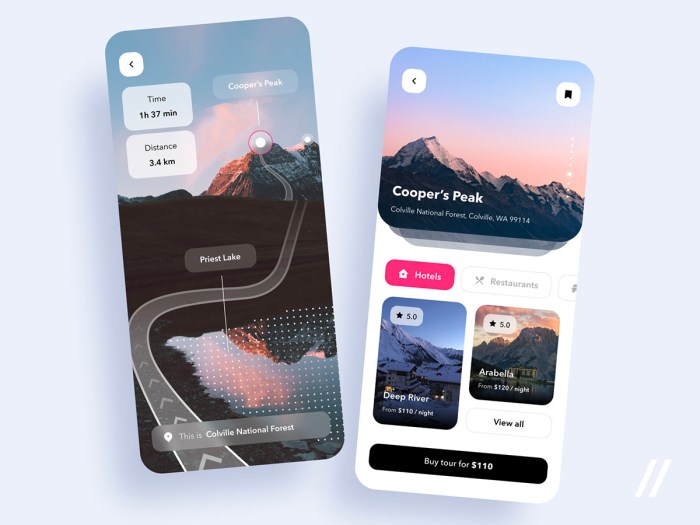
When it comes to mobile app development, User Experience (UX) and User Interface (UI) are crucial elements that can make or break the success of an app. A well-designed UX/UI can enhance user satisfaction, increase engagement, and ultimately lead to higher app retention rates.
Importance of UX/UI in Mobile App Development
Effective UX/UI design can significantly impact the overall user experience of a mobile app. By focusing on creating intuitive interfaces, seamless navigation, and visually appealing designs, developers can ensure that users have a positive experience while interacting with the app.
Examples of Successful Mobile Apps with Excellent UX/UI Design
- Instagram: Known for its simple and intuitive design, Instagram provides a user-friendly experience for sharing photos and videos.
- Uber: With its easy-to-use interface and streamlined booking process, Uber has revolutionized the way people travel.
- Headspace: This meditation app offers a calming and visually pleasing interface that enhances the user’s mindfulness experience.
Impact of Poor UX/UI on User Experience and App Performance
On the other hand, apps with poor UX/UI design can frustrate users, leading to high bounce rates, low user retention, and negative reviews. Cluttered layouts, confusing navigation, and slow loading times can all contribute to a subpar user experience.
Tips for Creating User-Friendly Interfaces in Mobile Apps
- Keep it simple: Avoid overcrowding the interface with unnecessary elements.
- Focus on navigation: Ensure easy and intuitive navigation throughout the app.
- Optimize for performance: Prioritize fast loading times and smooth transitions for a seamless user experience.
- Collect user feedback: Regularly gather insights from users to make informed design decisions and improvements.
Software Development in Mobile App Development
When it comes to software development in the mobile app industry, there are specific processes and considerations that set it apart from other types of software development. Let’s delve into the key aspects of developing a mobile app from scratch, the role of programming languages, and best practices for debugging and testing.
Key Steps in Developing a Mobile App
Developing a mobile app involves several crucial steps that ensure the final product meets user expectations and functions seamlessly. Here are the key steps typically involved:
- Conceptualization and Planning: Define the app’s purpose, target audience, features, and overall design.
- Design and Prototyping: Create wireframes, mockups, and prototypes to visualize the app’s layout and user interface.
- Development: Write the code, implement features, and integrate functionalities based on the design and requirements.
- Testing: Conduct thorough testing to identify and fix bugs, ensure compatibility, and optimize performance.
- Deployment: Release the app on app stores and ensure proper distribution to reach users effectively.
- Maintenance: Regularly update the app, address user feedback, and fix any issues to enhance user experience.
Role of Programming Languages
Programming languages play a crucial role in mobile app development, as they determine the app’s functionality, performance, and compatibility across different platforms. Some commonly used programming languages for mobile app development include:
| Platform | Programming Languages |
|---|---|
| iOS | Swift, Objective-C |
| Android | Java, Kotlin |
| Cross-Platform | React Native, Flutter |
Best Practices for Debugging and Testing
Debugging and testing are crucial stages in the mobile app development process to ensure a seamless user experience and minimize issues post-launch. Here are some best practices to follow:
- Regular Testing: Conduct testing at every stage of development to catch bugs early and prevent issues down the line.
- Use Emulators and Real Devices: Test the app on both emulators and real devices to ensure compatibility and performance across various platforms.
- Automated Testing: Implement automated testing tools to streamline the testing process and identify bugs efficiently.
- User Feedback: Gather feedback from beta testers and real users to address usability issues and improve the app based on real-world usage.
- Performance Optimization: Continuously monitor and optimize the app’s performance to enhance speed, responsiveness, and overall user satisfaction.
Cybersecurity Measures in Mobile App Development
As mobile apps continue to play a significant role in our daily lives, ensuring robust cybersecurity measures is essential to protect user data and privacy. In this section, we will explore common cybersecurity threats to mobile apps and strategies for implementing strong security features to safeguard sensitive information.
Common Cybersecurity Threats to Mobile Apps
- Malware Attacks: Malicious software can infect mobile apps and compromise user data. Implementing regular security updates and using antivirus software can help mitigate the risk of malware attacks.
- Data Breaches: Unauthorized access to sensitive user information can lead to data breaches. Encrypting data both in transit and at rest, as well as implementing secure authentication methods, can prevent data breaches.
- Phishing Attacks: Phishing scams can trick users into providing personal information. Educating users about identifying phishing attempts and implementing email validation measures can help combat phishing attacks.
Strategies for Implementing Robust Security Features
- Secure Authentication: Implement multi-factor authentication and biometric authentication to enhance security.
- Secure Communication: Use HTTPS protocol for secure data transmission and implement secure communication channels.
- Regular Security Audits: Conduct frequent security audits to identify and address vulnerabilities in the app.
Importance of Data Encryption in Mobile App Development
Data encryption plays a crucial role in protecting sensitive information from unauthorized access. By encrypting data, even if a breach occurs, the stolen data remains unreadable without the encryption key.
Tips for Ensuring Data Privacy and Protection in Mobile Apps
- Obtain User Consent: Clearly communicate data collection practices to users and obtain their consent before collecting any personal information.
- Minimize Data Collection: Collect only the necessary data required for app functionality to minimize the risk of data exposure.
- Regular Updates: Ensure the app is regularly updated with the latest security patches to address any vulnerabilities.
Mobile Technology Trends
Mobile technology trends play a crucial role in shaping the landscape of app development. From the integration of AI and machine learning to the rise of cross-platform development, staying updated on these trends is essential for creating successful mobile applications.
Impact of AI and Machine Learning on Mobile App UX/UI
AI and machine learning have revolutionized the way mobile apps interact with users. By analyzing user behavior and preferences, these technologies can personalize the user experience, making apps more intuitive and engaging. Additionally, AI-powered chatbots and virtual assistants enhance customer service and streamline interactions within the app.
Growing Popularity of Cross-Platform App Development
Cross-platform app development has gained traction due to its cost-effectiveness and efficiency. Developers can write code once and deploy it across multiple platforms, saving time and resources. Tools like React Native and Flutter have made it easier to create high-quality apps that work seamlessly on both iOS and Android devices.
Significance of Integrating AR/VR Technologies in Mobile Applications
Augmented Reality (AR) and Virtual Reality (VR) technologies are transforming the way users interact with mobile apps. From immersive gaming experiences to virtual shopping environments, AR and VR enhance user engagement and provide unique experiences. Integrating these technologies can set apps apart from the competition and attract a wider audience.
Technology & Software Integration
Integrating various technologies in mobile app development is crucial for enhancing user experience and functionality. By combining different software tools and services, developers can create more dynamic and feature-rich applications that meet the evolving demands of users.
Successful Software Integrations in Popular Mobile Apps
- Instagram’s integration with Facebook: Instagram allows users to share their posts directly to Facebook, leveraging the social media giant’s vast user base for increased visibility.
- Uber’s integration with Google Maps: Uber seamlessly integrates Google Maps for accurate navigation, providing users with real-time traffic updates and optimal routes.
- Slack’s integration with Trello: Slack integrates with project management tool Trello, enabling users to create Trello cards directly from Slack channels for streamlined collaboration.
Tips for Seamless Integration of Third-Party APIs
- Thoroughly research and choose reliable APIs that align with your app’s objectives and requirements.
- Follow API documentation guidelines carefully to ensure proper integration and functionality.
- Regularly test the API integration to identify and address any issues or inconsistencies.
- Implement error handling mechanisms to manage API failures and maintain app stability.
Benefits of Utilizing Cloud Services for App Development
- Scalability: Cloud services offer flexible resources that can easily scale to accommodate app growth and changing user demands.
- Cost-Efficiency: Cloud services eliminate the need for investing in physical infrastructure, reducing operational costs for app development.
- Enhanced Security: Cloud providers offer robust security measures and data encryption, ensuring the protection of sensitive user information.
- Collaboration: Cloud services facilitate seamless collaboration among developers, enabling real-time updates and version control for app development projects.
Web Development vs. Mobile App Development
When it comes to designing and developing websites and mobile apps, there are significant differences in the process and considerations that need to be taken into account. Let’s delve into the key disparities between web development and mobile app development.
Design and Development Process
- Web Development: Websites are typically designed for larger screens and take into account a variety of browsers and devices. The development process involves creating a visually appealing layout that is functional across different platforms.
- Mobile App Development: Mobile apps are specifically tailored for smaller screens and touch interactions. The development process focuses on creating a seamless user experience within the constraints of mobile devices.
UX/UI Considerations
- Web: Websites need to be responsive to adapt to different screen sizes and resolutions. Navigation menus, buttons, and text need to be optimized for easy access on both desktop and mobile devices.
- Mobile Apps: Mobile apps require intuitive navigation, touch-friendly elements, and optimized layouts for a seamless user experience. Gestures, animations, and interactive elements play a crucial role in enhancing the UX/UI design.
Responsive Design Techniques
- Web: Implementing responsive design techniques such as flexible grids, media queries, and fluid layouts ensures that websites adapt to various screen sizes. This approach enhances user experience and accessibility.
- Mobile: Mobile-friendly websites can benefit from techniques like viewport meta tag, CSS media queries, and touch-friendly navigation. These strategies optimize web content for mobile viewing and interaction.
Optimizing Web Content for Mobile
- Designing web content with a mobile-first approach involves prioritizing mobile users’ needs and preferences. This includes optimizing images, reducing page load times, and simplifying navigation for a better mobile experience.
- Ensuring responsive design and mobile optimization techniques are in place can significantly improve user engagement and satisfaction when accessing websites on mobile devices.
Networking in Mobile App Development
Networking technologies play a crucial role in determining the performance of mobile apps. Optimizing network usage is essential for improving app responsiveness and overall user experience. Implementing offline functionality can also enhance the usability of mobile apps, especially in areas with poor network connectivity.
Handling network errors and connectivity issues effectively is key to ensuring seamless operation of mobile apps.
Optimizing Network Usage
- Minimize the amount of data exchanged between the app and the server to reduce network traffic and improve app performance.
- Utilize caching mechanisms to store frequently accessed data locally, reducing the need for constant network requests.
- Implement lazy loading techniques to load content only when needed, optimizing network usage and reducing data consumption.
Implementing Offline Functionality
- Cache essential data and resources locally to allow users to access certain features of the app offline.
- Enable users to create and save content offline, with automatic synchronization once network connectivity is restored.
- Provide clear indicators to users when they are offline and guide them on how to utilize offline features effectively.
Handling Network Errors
- Implement retry mechanisms to handle temporary network errors and automatically re-establish connections when possible.
- Display informative error messages to users when network connectivity issues occur, guiding them on how to troubleshoot or resolve the problem.
- Monitor network performance and analyze error logs to identify recurring issues and optimize network connections for better app performance.
Gaming Hardware in Mobile App Development
Mobile gaming apps have seen a significant impact from advancements in gaming hardware. As mobile devices continue to evolve and offer more powerful capabilities, game developers are presented with new opportunities and challenges in optimizing game graphics and performance for these platforms.
Optimizing Game Graphics and Performance
- Developers must focus on creating visually stunning graphics while ensuring smooth performance on a variety of mobile devices.
- Utilizing techniques such as texture compression and shader optimization can help enhance the visual quality of games without sacrificing performance.
- Implementing efficient rendering techniques and leveraging the capabilities of modern GPUs can also contribute to a better gaming experience on mobile.
Incorporating Hardware Features
- Integrating hardware features like accelerometers and gyroscopes can add an interactive element to mobile games, enhancing user engagement and immersion.
- Developers can leverage these features to create unique gameplay mechanics that take advantage of the device’s sensors, providing a more dynamic and interactive experience for players.
- By tapping into the full potential of hardware features, developers can differentiate their games in a crowded market and attract a wider audience.
Challenges of Developing Resource-Intensive Games
- Resource-intensive games pose a challenge for developers due to the limitations of mobile hardware in terms of processing power and memory.
- Optimizing game assets, implementing efficient coding practices, and utilizing performance profiling tools are essential to ensure smooth gameplay on mobile devices.
- Balancing graphical fidelity with performance optimization is crucial in creating high-quality gaming experiences that run smoothly on a wide range of mobile devices.
Smart Technology Integration
Smart technology devices play a crucial role in enhancing mobile app experiences by providing advanced functionalities and capabilities. These devices allow users to interact with mobile applications in a more intuitive and seamless manner, ultimately improving user engagement and satisfaction.
Examples of Successful Integration
- Smart home apps like Nest, which allow users to control their home environment remotely through their mobile devices.
- Fitness apps like Fitbit, which seamlessly integrate with wearable devices to track users’ health and fitness data in real-time.
- Ride-sharing apps like Uber, which utilize GPS technology to provide accurate location tracking and efficient ride-hailing services.
Possibilities of IoT Integration
- IoT integration in mobile app development opens up opportunities for seamless connectivity between various smart devices, creating a more interconnected ecosystem.
- IoT-enabled mobile apps can enhance automation, monitoring, and data sharing capabilities, leading to improved user experiences and operational efficiency.
Benefits of Voice Recognition and AI Assistants
- By incorporating voice recognition technology, mobile apps can offer hands-free interaction, making it more convenient for users to access information and perform tasks.
- AI assistants like Siri and Google Assistant can provide personalized recommendations, predictive insights, and proactive assistance, enhancing the overall user experience.
Final Conclusion
As we wrap up our exploration of mobile app development UX/UI best practices, remember that putting the user first is key. By following these guidelines, you can create apps that not only function flawlessly but also provide a delightful experience for every user.
Stay inspired and keep innovating!
FAQ Guide
How important is UX/UI in mobile app development?
UX/UI is crucial as it directly impacts how users interact with the app, influencing their satisfaction and retention.
What are some common cybersecurity threats to mobile apps?
Common threats include data breaches, malware, insecure data storage, and unauthorized access.
How can I ensure data privacy in my mobile app?
Implement strong encryption methods, regularly update security protocols, and obtain user consent for data collection.


